Who Made Your Retirement Budget?
I hope the answer is you!
(Initially published on Medium.com, 03-Feb-2026)
If you don’t have time, interest or the right data to make your retirement budget, you aren’t ready to retire.
A friend, Bill, and I were discussing his upcoming retirement. He will be 57 years old this year and plans to retire at the end of September. Congratulations, that’s aweome! I said. His wife retired two years ago.
He shared how their financial advisor ran the numbers and he feels good about their retirement finances and security.
I’m in a similar boat, but reversed roles; my wife and I are working out when she would be ready and able to join me in retirement.
Elephant in the room
The biggest item we haven’t got fully quantified yet is health insurance until we are eligible for Medicare. We have numbers, but they are giving us pause.
Here in the US, health insurance until age 65 is the elephant in the room — and I’m surprised how many folks don’t understand or appreciate its impact on your planning.
I asked Bill about their monthly allocation for health insurance and costs, his reply, ‘Oh, I think she (their financial advisor) put in about $4000 per month, but I think that’s way too high so we should be okay.’
When I shared that I and others have found that the total costs for family healthcare (insurance, co-pays, out-of-pockets) can run up to $40,000 to $45,000 per year*, he was floored.
(* data based on cost build-ups for a family using healthcare.gov website without subsidies and assuming max out-of-pocket costs.)
He asked his financial advisor to confirm what was in their retirement budgeting model. To his surprise, her reply was $2,500 per month.
He asked her to explain and justify where this figure came from and he still awaits their reply.
The real lesson
My conversation with Bill scared me. I was afraid to ask him about the rest of his retirement budget and who provided the inputs used to calculate how long his assets will last. How robust is his retirement planning? He may be accepting risks he didn’t even know he was taking.
Bill received the answers he wanted — it confirmed he can retire. But…
You may have heard the phrase, ‘Garbage In, Garbage Out’.
Who knows what inputs were used for his other retirement expenses? I didn’t ask!
If you want to know your retirement budget reflects your plans, you must provide all the inputs for expenses and assets to work with your own budget or financial advisor to create your retirement budget.
You need to provide all the expenses inputs for your budget.
Anything less and you are cheating yourself. You may be secure to retire, but you might be missing key expenses to ensure your future.
Steps to define your retirement expenses
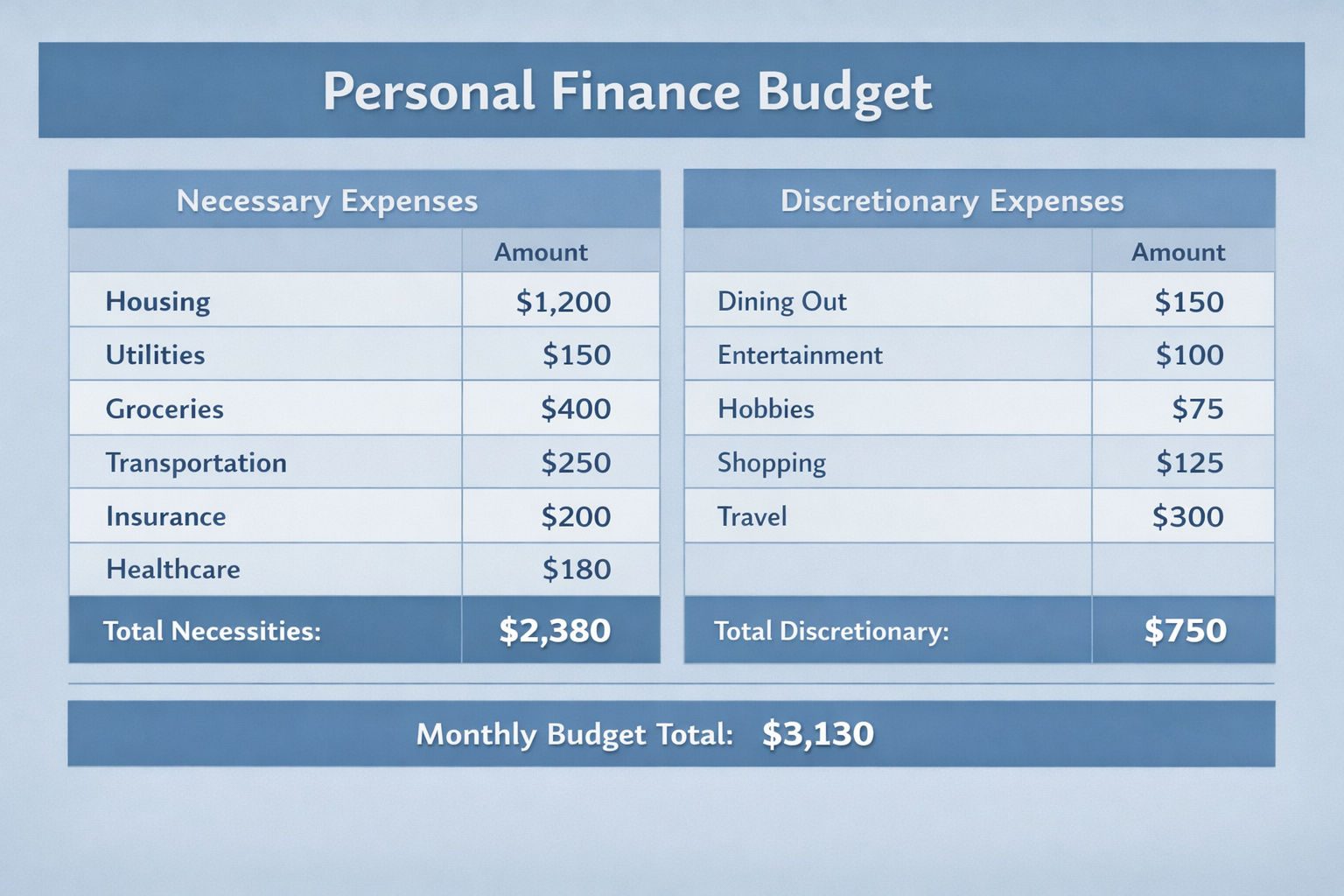
To minimize risks and understand assumptions, you need to define your retirement lifestyle and the expenses you expect to incur.
This process needs to include everything; not just your best case year. Unexpected expenses will come up.
Tips to help identify your retirement budget:
- Review your spending for at least five previous years. Identify every different expense type and create a full expense list for each category.
- Identify recurring necessarily expenses.
- Identify periodic necessary expenses.
- Identify discretionary expenses.
- Identify new expense you expect based on your planned retirement lifestyle.
I know those steps can see daunting, but do it with a high-level look. Don’t try to categorize everything.
For example, from our credit card statements, I know we have consistent spending amounts (on an annual basis) for places like Amazon, Target, Costco, and grocery stores. I can’t tell you off the cuff what was purchased, but it was clear we have a consistent spend each year for each of them.
Use those averages if they are relatively consistent. This will take effort, but you need to collect, organize, and analyze your spending to know what to put in your budget.
Next steps:
- From there, put it all together to forecast your annual retirement expenses.
- Evaluate if your retirement expense budget can be supported by your income and assets. If not, adjust as needed.
This isn’t a detailed ‘how to’ article on how to make your retirement budget.
The key message is that you are ultimately responsible for your retirement budget. Own it and understand what’s in it — the same way you would look over your investments or annual budget in your working years.
You will reap the consequences — good or bad — from these plans, so be intentional and deliberate in your planning.
Enjoy Life and Thanks for Reading,
-Jeff